
Infestations That Require Immediate Detection
Bed Bug Control in New Iberia and all Acadiana for properties with active harborage and infestation spread
Acadiana's hospitality sector and multi-unit residential buildings create conditions where bed bugs move quickly between rooms and units. Sugarland Exterminating treats bed bug infestations using targeted control methods that address harborage sites and population centers identified during inspection. Properties with shared walls or high turnover face the greatest risk of transmission, and treatment timing affects how quickly spread stops.
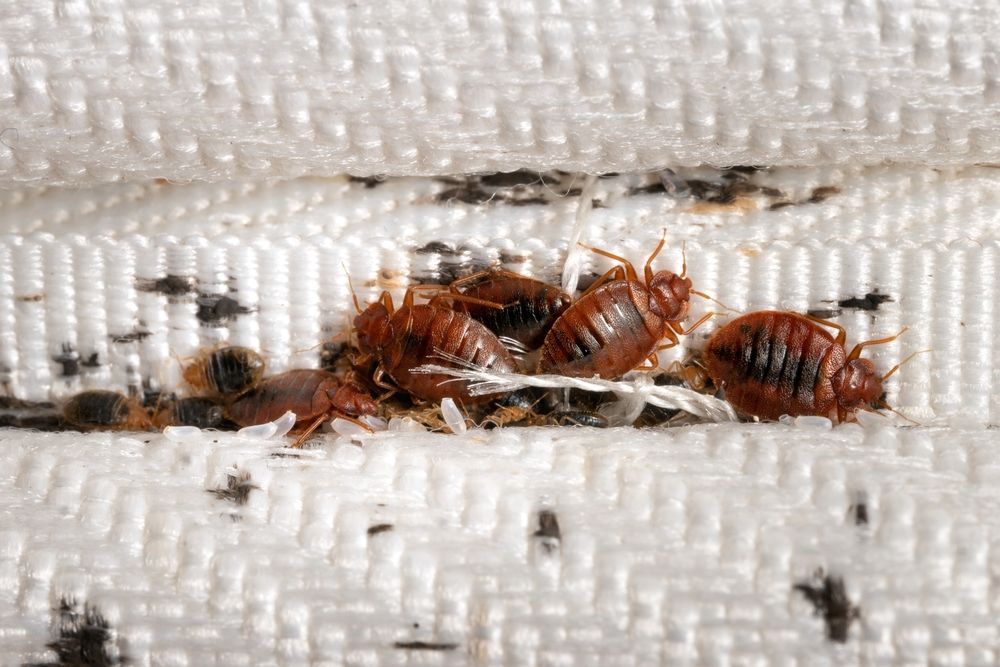
Bed bugs cluster in mattress seams, headboards, baseboards, and upholstered furniture, feeding at night and hiding during daylight hours. Treatment targets these harborage areas with methods matched to infestation severity, and re-treatment schedules align with the bed bug lifecycle to eliminate eggs that hatch after the initial application. Detection before populations expand reduces the treatment area and lowers the chance of reinfestation from adjacent spaces.
Schedule an inspection to identify harborage locations and determine infestation severity.
How Targeted Treatment Addresses Harborage and Lifecycle
Inspection reveals where bed bugs congregate by examining mattress edges, box springs, furniture joints, and wall voids. Sugarland Exterminating applies treatment directly to infested areas, focusing on cracks and crevices where eggs are laid. Re-treatment intervals are set based on the bed bug lifecycle, which includes egg, nymph, and adult stages that mature over several weeks.
After treatment completes, you no longer see live bugs in bedding or furniture, and bite patterns stop appearing on occupants. The re-treatment schedule prevents newly hatched nymphs from establishing new populations, and monitoring confirms that harborage sites remain clear. Properties with multiple units benefit from coordinated treatment that prevents bugs from migrating between treated and untreated areas.
Quality-controlled methods protect occupants during application, and the treatment process includes preparation instructions that improve results. Treatment duration and protection intervals are specified before work begins, so property owners understand the timeline and know when follow-up visits occur.
What Property Owners Usually Ask
Bed bug control involves detection, application, and follow-up scheduling, and understanding the process helps property owners prepare spaces and recognize when treatment is working.
What happens during the bed bug inspection?
Inspection identifies harborage sites by examining mattresses, furniture, baseboards, and wall voids where bed bugs hide during daylight. Infestation severity determines treatment intensity and the number of follow-up visits required to eliminate eggs and nymphs.
How long does bed bug treatment take to work?
Initial application targets visible adults and nymphs, but eggs hatch over several weeks, requiring re-treatment to eliminate new populations. Re-treatment intervals align with the bed bug lifecycle to stop reproduction before new adults emerge.
Why does Acadiana have higher bed bug transmission risk?
Multi-unit residential density and hospitality properties create pathways for bed bugs to move between rooms and units through shared walls and furniture. Rapid treatment in one unit prevents spread to adjacent spaces and reduces the overall infestation area.
What preparation is required before treatment?
Bed linens, clothing, and upholstered items must be laundered or heat-treated before application to eliminate bugs hiding in fabric. Furniture should be moved away from walls to allow access to baseboards and wall voids where harborage occurs.
How do I know if treatment eliminated the infestation?
Absence of live bugs in harborage sites, no new bite patterns on occupants, and clear monitoring after re-treatment confirm that populations are eliminated. Follow-up visits verify that no new nymphs have matured from eggs laid before the initial application.
Sugarland Exterminating serves New Iberia and the Acadiana region with specialized bed bug control that stops transmission and prevents reinfestation. Request a property evaluation to identify harborage sites and establish a treatment schedule based on infestation severity.