
Structures Protected From Colony Damage
Termite Control in New Iberia and Acadiana for wood-frame buildings facing subterranean termite pressure from Louisiana's moisture-rich soil conditions
Termite activity in Louisiana continues year-round because soil moisture and mild winter temperatures never drop low enough to force colonies into dormancy, making early detection critical before structural damage accumulates. Sugarland Exterminating provides termite inspection and targeted treatment across New Iberia and the Acadiana region, where abundant wood-frame construction and damp soil conditions create ideal termite habitat. Inspection identifies active colonies by locating mud tubes on foundation walls, sounding hollow wood members, and checking moisture-prone areas like crawl spaces and sill plates where termites typically enter structures from underground.
Treatment methods target termite elimination by creating a chemical barrier in the soil around foundation perimeters or applying direct treatments to active colonies inside structural voids. Protection duration depends on the treatment type used and soil conditions that affect how long active ingredients remain effective, with monitoring stations often installed to detect new termite activity before it reaches the building.
Schedule a certified termite inspection to identify current colony activity and assess structural vulnerabilities that increase infestation risk.
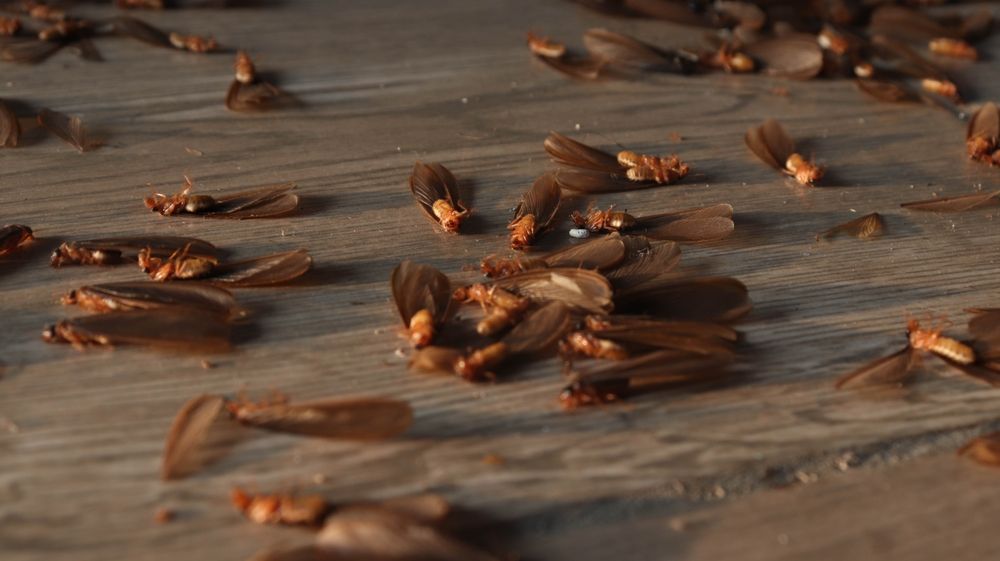
What Termite Control Actually Accomplishes
Termite control begins with inspection that maps where colonies are located, which wood members show damage, and how termites are accessing the structure from soil. Treatment mechanisms vary—liquid termiticides applied to soil create a treated zone that termites contact when foraging, while bait systems allow termites to carry slow-acting agents back to the colony. The choice depends on soil type, proximity to water sources, and whether the infestation is localized or distributed across multiple building sections.
After treatment establishes a protective barrier or collapses the active colony, you'll notice termites no longer emerge from exit holes in wood trim, mud tubes on foundation walls are abandoned rather than actively maintained, and previously hollow-sounding wood stops deteriorating further. Protection remains effective as long as the treatment barrier stays intact, though soil settling, landscaping changes, or heavy rainfall can create gaps that require re-treatment.
Re-treatment protocols are established during initial service, specifying conditions that trigger follow-up applications and monitoring schedules that detect new colonies before significant damage occurs. Some treatment products carry manufacturer guarantees tied to annual inspections, while others provide longer intervals between required monitoring visits depending on active ingredient persistence in local soil conditions.
Common Questions About This Service
Property owners in New Iberia or across Acadiana often ask about termite behavior, treatment options, and how Louisiana's climate affects control effectiveness.
What termite species are active in the Acadiana area?
Subterranean termites dominate local infestations, building colonies in soil and accessing structures through foundation cracks, slab edges, or anywhere wood contacts moist ground.
How does termite inspection identify hidden colonies?
Inspectors probe wood members to detect hollow damage, trace mud tubes back to soil contact points, and use moisture meters to find damp conditions that attract termites to specific building sections.
What factors affect termite control treatment cost?
Foundation size, soil type, treatment method selected, infestation severity, and whether ongoing monitoring is included all influence pricing, with larger buildings or complex foundation layouts requiring more material and labor.
Why is Louisiana's climate particularly favorable for termites?
Year-round warmth and abundant rainfall maintain soil moisture above the threshold termites need to survive, preventing the seasonal dormancy that limits colony growth in colder or drier regions.
What happens if termites return after treatment?
Re-treatment protocols address new colonies or barrier failures within the specified protection period, with specific terms defined based on the treatment method and product used during initial service.
Sugarland Exterminating brings over 50 years of termite control experience to properties throughout Acadiana, using certified inspection methods and targeted treatments that stop active infestations. Request a termite inspection to evaluate your building's current risk and develop a protection strategy based on identified vulnerabilities.