
Problems Found Before They Spread
Residential Pest Inspection in New Iberia and the Acadiana area for homes where Louisiana humidity creates vulnerabilities to termites, rodents, and moisture-loving pests
A detailed pest inspection identifies active infestations and structural conditions that allow pests to enter and establish populations before damage becomes visible or populations grow beyond control. Sugarland Exterminating performs thorough residential inspections across New Iberia and all Acadiana, where slab construction, crawlspace humidity, and attic ventilation patterns create environments that termites, rodents, and wood-destroying insects exploit. You need this service before purchasing a home, when you notice unexplained pest activity, or as part of routine maintenance in regions where subterranean termites swarm annually and can compromise structural wood within two to three years of undetected feeding.
Inspectors conduct interior and exterior walkthroughs, examining foundation perimeters for mud tubes, checking attic spaces for rodent droppings and nesting material, and identifying entry points where gaps in door sweeps or damaged vent screens allow pests inside. The inspection also documents conducive conditions like standing water near foundations, wood-to-soil contact, and moisture damage in crawlspaces that attract termites and fungus-feeding beetles.
Request an inspection to assess current pest risks and receive a written report detailing findings and recommended actions.
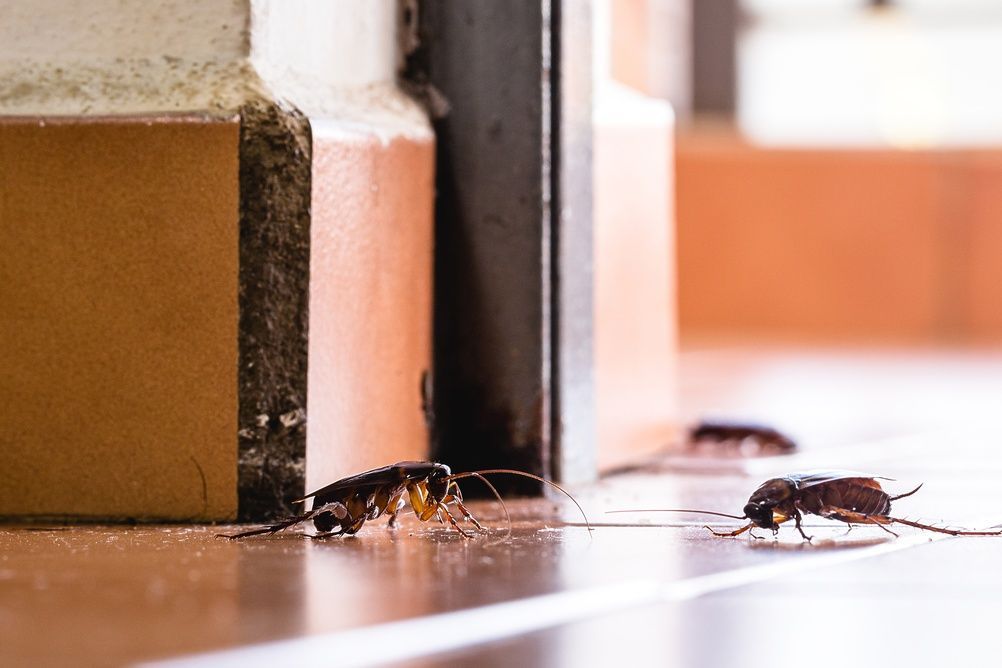
What You Notice Once the Inspection Is Finished
The written report you receive lists any evidence of active pest activity—live insects, droppings, shed skins, damage to wood or insulation—and notes structural conditions that increase future infestation risk. Each finding includes its location, the pest species involved when identifiable, and whether immediate treatment is necessary or if the issue can be addressed through habitat modification and monitoring. The report also provides a timeline: which problems require action within days, which should be resolved within months, and which are lower-priority maintenance items.
After reviewing the report, you'll have a clear understanding of what pest threats are present, what structural repairs or maintenance will reduce those risks, and what treatment options apply to your specific situation. If termites are found, the report includes the extent of visible damage and whether further invasive inspection is warranted to assess hidden structural impact. If rodent entry points are identified, you'll know which gaps need sealing and whether attic insulation has been contaminated and requires replacement.
The inspection does not include treatment, repairs, or removal of damaged materials—it's a documentation and assessment service that informs your decisions about what work to pursue. Follow-up treatment plans are developed separately based on inspection findings and the level of infestation or risk identified.
Common Questions About This Service
Homeowners in New Iberia or the greater Acadiana region often ask about inspection scope, timing, and what level of detail the report provides, especially when inspections are tied to real estate transactions.
What areas of the home are included in a residential pest inspection?
Inspectors examine accessible areas including the exterior foundation and perimeter, interior living spaces, attics, crawlspaces, garages, and any other structures like sheds or detached workshops. Areas that are inaccessible due to locked doors, stored belongings, or structural obstructions are noted as uninspected in the report.
How long does a typical residential inspection take?
Most single-family homes require 45 minutes to 90 minutes depending on size, number of outbuildings, and crawlspace accessibility. Larger properties or those with extensive attic spaces and multiple foundation access points may take longer.
Why is crawlspace inspection especially important in Louisiana homes?
High humidity in crawlspaces creates ideal conditions for subterranean termites, wood-boring beetles, and mold growth that attracts moisture-seeking pests. Termites often establish feeding sites on floor joists and sill plates in these areas before any interior damage becomes visible.
What happens if the inspection finds active termites?
The report documents the location and extent of visible termite activity, the species when identifiable, and whether mud tubes or damaged wood indicate an established colony. Treatment recommendations and cost estimates are provided separately after the inspection is completed.
Can an inspection identify pest problems that aren't currently visible?
Inspectors look for signs of past activity—old mud tubes, staining patterns, exit holes in wood—that indicate previous infestations which may or may not still be active. The report notes these findings so you can monitor for renewed activity or address conditions that originally attracted the pests.
Sugarland Exterminating has conducted residential inspections across Acadiana for more than 50 years, providing detailed documentation that helps homeowners make informed decisions about pest management and property maintenance. Schedule an inspection to receive a comprehensive assessment of your home's current pest vulnerabilities.