
Nests That Put Your Family at Risk
Bee and Wasp Control in New Iberia and Acadiana for properties near wildflower zones and Gulf Coast vegetation that attract aggressive nesting
Sugarland Exterminating removes wasps and manages bee populations across residential properties in New Iberia and the Acadiana area, where Gulf Coast climate and native vegetation create ideal conditions for year-round stinging insect activity. You need this service when nests appear near entryways, play areas, or outdoor living spaces where children and pets spend time. The warm, humid environment supports multiple wasp generations per season, and proximity to agricultural and wildflower zones increases the likelihood of honeybee swarms establishing hives in structures.
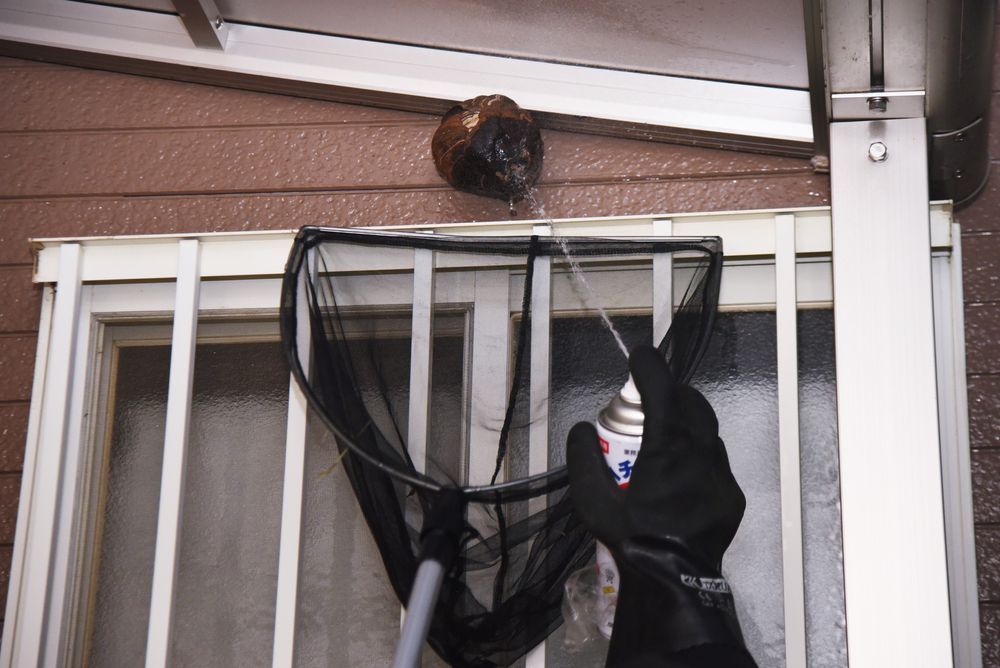
This work begins with species identification because treatment approaches differ significantly between aggressive wasp colonies that require immediate elimination and beneficial bee populations that can often be relocated rather than destroyed. Wasp nest removal involves treating active nests with targeted applications and installing protective barriers to prevent re-establishment in the same location, while bee management decisions depend on species type, hive location, and whether relocation is feasible given structural access and colony size.
Schedule a property evaluation to identify active nests and assess risk zones around your home.
What Proper Species Identification Requires
The process starts with determining whether you're dealing with paper wasps, yellow jackets, hornets, or honeybees, because each responds to different removal methods and presents distinct threat levels. Paper wasps build open-comb nests under eaves and require direct nest treatment, yellow jackets nest in ground cavities and wall voids where access is limited, and honeybees establish large colonies that produce thousands of pounds of comb and honey inside structures. Identification also determines whether the Louisiana Department of Agriculture guidelines for pollinator protection apply to your situation.
After the nest is removed and the area treated, you'll notice stinging insect activity stops in that zone, and protective barriers prevent wasps from rebuilding in the same high-traffic areas where they previously nested. Sugarland Exterminating applies residual treatments to eaves, railings, and other favored nesting sites so returning queens in spring find the location inhospitable. For bee removals, you'll see the swarm or colony gone and entry points sealed so scout bees don't signal other swarms to move in.
The service includes nest removal and disposal, treatment of the nesting site, and sealing of entry points where applicable, but does not include structural repair if bees have damaged wood or insulation inside walls. Some bee relocations require coordination with local beekeepers if the hive is accessible and the species is a managed honeybee variety worth preserving.
What Property Owners Usually Ask
Questions about stinging insect removal come up frequently in New Iberia or Acadiana, especially during late spring and summer when nesting activity peaks and outdoor use increases.
What happens if the nest is inside a wall cavity?
Interior nests require locating the entry point, treating the colony through that access, and then removing comb and dead insects to prevent secondary pest problems and odor. If the wall must be opened for full removal, that work is coordinated separately from the pest treatment itself.
How do you decide whether to relocate bees or remove them?
Relocation is possible when the species is a managed honeybee, the hive is accessible without major structural disassembly, and a local beekeeper is available to accept the colony. Aggressive Africanized hybrids and colonies deeply embedded in structures typically require removal rather than relocation.
Why do wasps keep returning to the same spot each year?
Queens emerge in spring and search for protected nesting sites, often returning to locations where previous colonies succeeded. Residual treatment on those surfaces disrupts their ability to attach new nests and forces them to search elsewhere.
What should I do if I see a swarm of bees in my yard?
Swarms are temporary and often move on within 24 to 48 hours as scout bees search for a permanent hive location. If the swarm settles into a structure, removal becomes necessary before the colony expands and produces comb.
How quickly can wasp nests grow during Louisiana summers?
A single yellow jacket nest can grow from a few dozen workers in May to several thousand by August because the warm climate supports continuous brood cycles. Early detection and removal prevent nests from reaching sizes that pose serious risk during late summer.
Sugarland Exterminating has managed stinging insect populations across Acadiana for over 50 years, addressing both immediate nest threats and long-term prevention strategies. Request a site visit to assess current nesting activity and discuss treatment options for your property.