
Pests That Thrive in Warm Humidity
Insect Control in New Iberia and the Acadiana region for homes and businesses where Louisiana climate drives year-round infestations of roaches, ants, and moisture-loving pests
Cockroaches multiply rapidly in the food storage areas and humid corners of Louisiana kitchens, while ant colonies establish trails from outdoor nests into pantries and bathrooms where water and food sources are reliably available. Sugarland Exterminating provides comprehensive insect control across New Iberia and surrounding Acadiana communities, targeting silverfish, spiders, ants, roaches, and other indoor and outdoor pests that exploit structural vulnerabilities and favorable environmental conditions. Warm temperatures and high humidity create conditions where German cockroaches can complete a generation in as little as 100 days, and Argentine ants form super-colonies that stretch across multiple properties.
The approach uses Integrated Pest Management principles to identify the species, locate harborage and entry points, and apply targeted treatments rather than blanket pesticide applications. Treatment plans address both the visible pests and the conditions that allow populations to establish, which often means modifying storage practices, sealing cracks in foundations and door sweeps, and reducing moisture sources in crawlspaces and under sinks.
Arrange an inspection to identify active infestations and assess conducive conditions around your property.
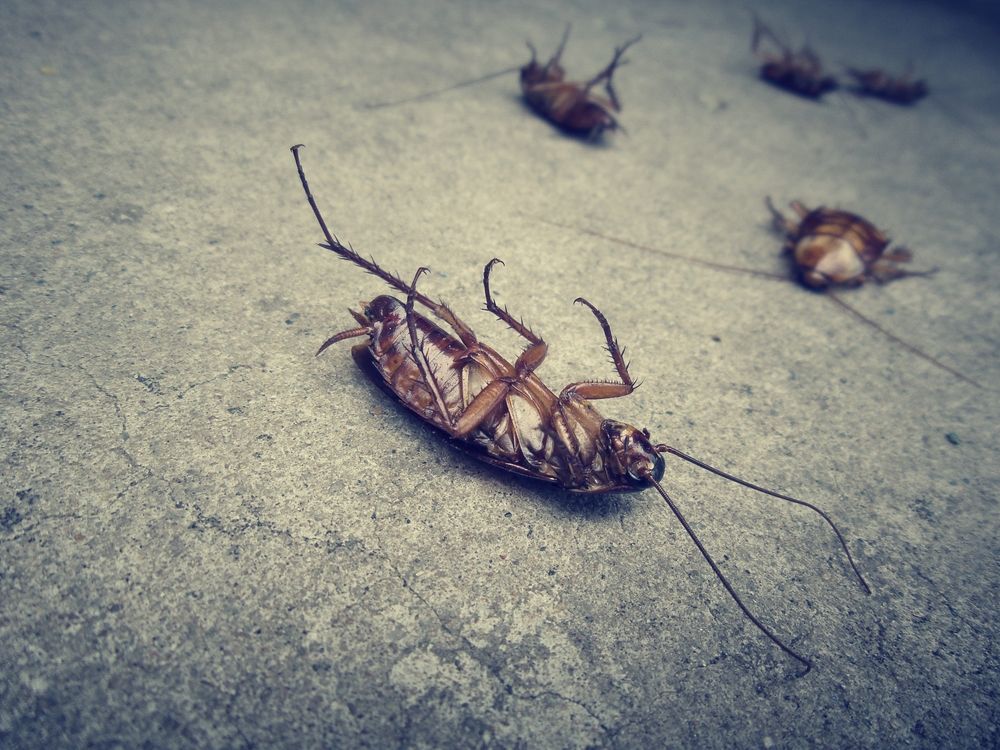
How Targeted Treatment Addresses Root Causes
Treatment starts with determining which species you're dealing with because silverfish require different bait formulations than roaches, and outdoor ant species respond to perimeter treatments while indoor-nesting ants need interior baiting strategies. Technicians inspect areas where pests concentrate—under appliances, inside cabinets, along baseboards, and in storage rooms—then apply materials to those specific zones rather than treating spaces where pest activity isn't present. Habitat modification recommendations follow because controlling moisture, eliminating food debris, and sealing entry gaps reduce the likelihood of re-infestation after the initial treatment cycle.
After treatment, you'll notice pest activity declines within days as insects contact treated surfaces or consume baits, and within two to three weeks the population is either eliminated or reduced to levels where occasional sightings replace constant encounters. Trails of ants disappear from countertops, cockroaches no longer scatter when lights turn on at night, and silverfish stop appearing in bathtubs and closets where humidity was previously attracting them.
The service includes interior and perimeter applications, follow-up visits to monitor effectiveness, and guidance on structural and sanitation changes that prevent future problems. It does not include repairs to plumbing leaks, foundation cracks, or torn window screens, but identifying those issues is part of the inspection process so you know what maintenance work will improve long-term results.
Answers to Frequent Service Questions
Insect control questions often focus on treatment safety, how quickly results appear, and what steps prevent pests from returning after the service is complete.
What is the difference between baiting and spraying for cockroaches?
Baiting uses food-based attractants mixed with slow-acting insecticides that roaches carry back to harborage areas, killing individuals that never contact treated surfaces. Spraying applies residual materials to baseboards and entry points where roaches travel, providing a barrier that kills on contact. Combining both methods addresses different parts of the population.
How do you prevent ants from just moving to a different part of the house?
Perimeter treatments create a barrier around the foundation that intercepts foraging ants before they enter, while interior baiting disrupts trails and kills the colony at its source. Without addressing the outdoor nest, ants often re-establish new trails even after interior treatments temporarily disrupt activity.
Why do silverfish keep appearing even in clean homes?
Silverfish feed on starches in paper, glue, and fabric rather than food debris, and they thrive in areas with high humidity like bathrooms, basements, and attics. Reducing moisture with dehumidifiers and sealing cracks where they hide during the day are as important as applying insecticide dust in wall voids and other harborage sites.
How soon after treatment is it safe for children and pets to return?
Most interior treatments dry within two to four hours, after which treated surfaces are safe for normal contact. Baits are placed in cracks, crevices, and other areas where children and pets don't have direct access, minimizing exposure risk.
What factors make Acadiana homes especially vulnerable to insect problems?
Slab-on-grade construction common in the region provides fewer barriers between soil and interior spaces, and the lack of freezing winter temperatures means insect populations never experience the die-off that occurs in colder climates. Year-round activity requires consistent monitoring rather than single seasonal treatments.
Sugarland Exterminating has addressed insect problems across Acadiana for over five decades, from single-family homes in New Iberia to commercial kitchens in Lafayette and Lake Charles or across the Acadiana region. Schedule a service visit to assess your current pest pressure and develop a treatment plan suited to your property's specific conditions.