
Infestations That Affect Pets and Children
Flea and Tick Control in New Iberia and the Acadnaia region for year-round populations across residential properties
Warm, humid Acadiana climate supports year-round flea and tick populations that affect pets, children, and property, and residential density in New Iberia and Acadiana increases cross-property infestation risk as animals move between yards. Sugarland Exterminating eliminates flea and tick infestations with multi-stage treatment that addresses eggs, larvae, and adults in both indoor and outdoor areas. Treatment protects pets, children, and property by breaking the lifecycle before populations expand, and re-treatment schedules are based on lifecycle stages and property conditions that affect reproduction rates.
Fleas reproduce rapidly indoors in carpets, upholstered furniture, and pet bedding, while ticks attach to vegetation in yards and wait for animals or people to pass. Treatment targets these areas with indoor and outdoor applications that eliminate active adults and prevent eggs and larvae from maturing. Re-treatment intervals align with the flea and tick lifecycle, which includes egg, larval, pupal, and adult stages that develop over several weeks under warm, humid conditions.
Schedule an inspection to identify indoor and outdoor infestation areas and determine treatment stages required for your property.
What Changes After Multi-Stage Treatment Completes
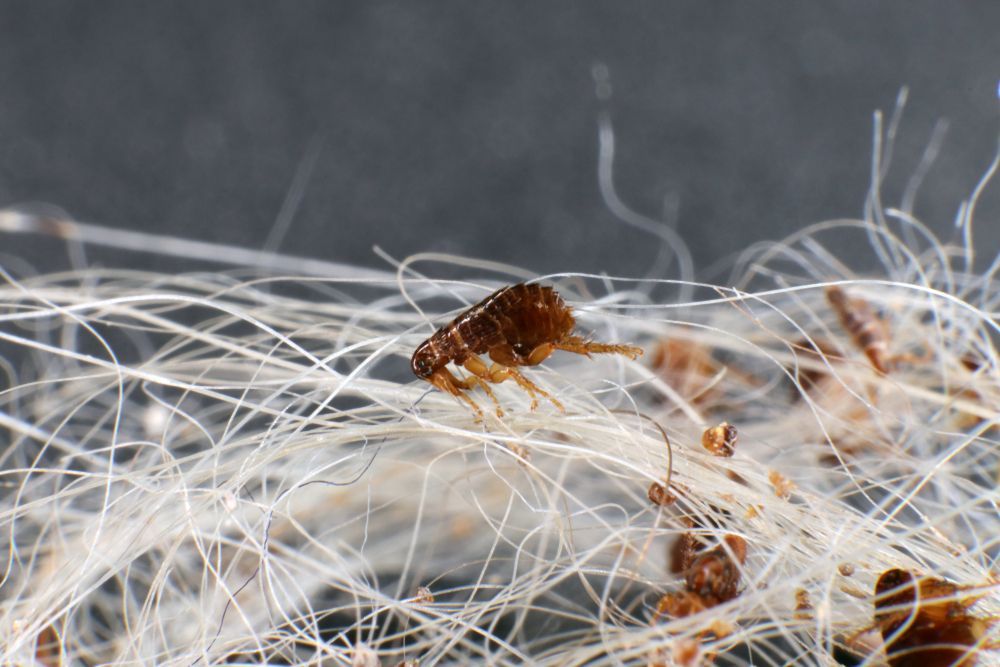
Flea and tick control eliminates visible adults and treats eggs and larvae that hatch after initial application. Indoor treatment reaches carpet fibers, furniture crevices, and baseboards where flea eggs and larvae accumulate, and outdoor treatment targets shaded areas, tall grass, and vegetation where ticks wait for hosts. Sugarland Exterminating uses safe product selection appropriate for pet-occupied homes, and treatment methods protect children and pets during application.
After treatment completes, you stop seeing fleas on pets and furniture, and tick encounters decrease during outdoor activities in yards and wooded areas. Pets no longer scratch constantly or develop skin irritation from flea bites, and tick checks after outdoor activities no longer find attached ticks. Re-treatment prevents newly hatched fleas and emerging ticks from re-establishing populations before the lifecycle completes.
Treatment includes both indoor and outdoor applications because fleas and ticks require different approaches based on where they reproduce and where they encounter hosts. Indoor treatment focuses on carpeted areas and pet resting spots, while outdoor treatment concentrates on vegetation and shaded areas where ticks are most active. Properties with multiple pets or adjacent wooded areas benefit from coordinated treatment schedules that address continuous exposure from external sources.
What Property Owners Usually Ask
Flea and tick control involves multi-stage treatment and lifecycle management, and understanding the process helps property owners prepare spaces and recognize when infestations are eliminated.
Why does Acadiana have year-round flea and tick populations?
Warm, humid climate prevents winter die-off that limits flea and tick activity in colder regions. Continuous reproduction throughout the year requires ongoing treatment to prevent populations from expanding in indoor and outdoor areas.
How long does flea and tick treatment take to work?
Initial application eliminates visible adults, but eggs and larvae continue developing after treatment and require re-treatment to prevent new adults from emerging. Re-treatment schedule aligns with lifecycle stages that mature over several weeks under local temperature and humidity conditions.
What preparation is required before treatment?
Vacuuming carpets and upholstered furniture removes flea eggs and larvae and improves treatment contact with remaining populations. Mowing grass and clearing leaf litter in yards reduces tick habitat and allows better application coverage in outdoor areas.
How does cross-property infestation happen in Acadiana?
Pets moving between yards carry fleas and ticks onto treated properties, and wildlife such as deer and raccoons introduce new ticks into residential areas. Coordinated treatment schedules reduce populations across entire neighborhoods and lower re-infestation risk.
What areas receive indoor and outdoor treatment?
Indoor application targets carpets, pet bedding, furniture crevices, and baseboards where fleas reproduce. Outdoor treatment concentrates on shaded vegetation, tall grass, and areas under decks or porches where ticks wait for hosts and humidity supports flea larvae development.
Sugarland Exterminating serves New Iberia and Acadiana region with over 50 years of experience and Acadiana Pest Control Association, Louisiana Pest Control Association, and National Pest Control Association membership, using safe product selection for pet-occupied homes. Request a property evaluation to identify infestation areas and establish a multi-stage treatment schedule based on lifecycle conditions and exposure risk.