
Exclusion That Stops Repeated Entry
Rodent Control in New Iberia and the Acadiana region for properties with recurring rat or mouse activity despite previous removal attempts
Removing visible rodents solves only half the problem—if entry points remain open, new rats or mice move into vacated territory within days, restarting the infestation cycle. Sugarland Exterminating combines targeted rodent control with exclusion work that seals structural vulnerabilities, addressing both the active population and the access routes that allowed infestation to develop. Acadiana's dense housing and commercial zones provide accessible food and shelter for rodents year-round, and shared walls in multi-unit buildings create pathways where rodents travel freely between adjacent properties, requiring coordinated treatment that addresses the entire structure rather than individual units in isolation.
Control methods reduce active rodent populations using trapping or bait stations positioned where rodent activity is heaviest, while exclusion techniques eliminate entry points in foundations, walls, utility penetrations, and roof edges. Inspection identifies infestation scope by locating droppings, gnaw marks, grease trails along walls, and structural gaps that rodents are currently using or could exploit as populations grow.
Request a rodent inspection to identify active entry points and develop a control plan that addresses both current populations and structural vulnerabilities.
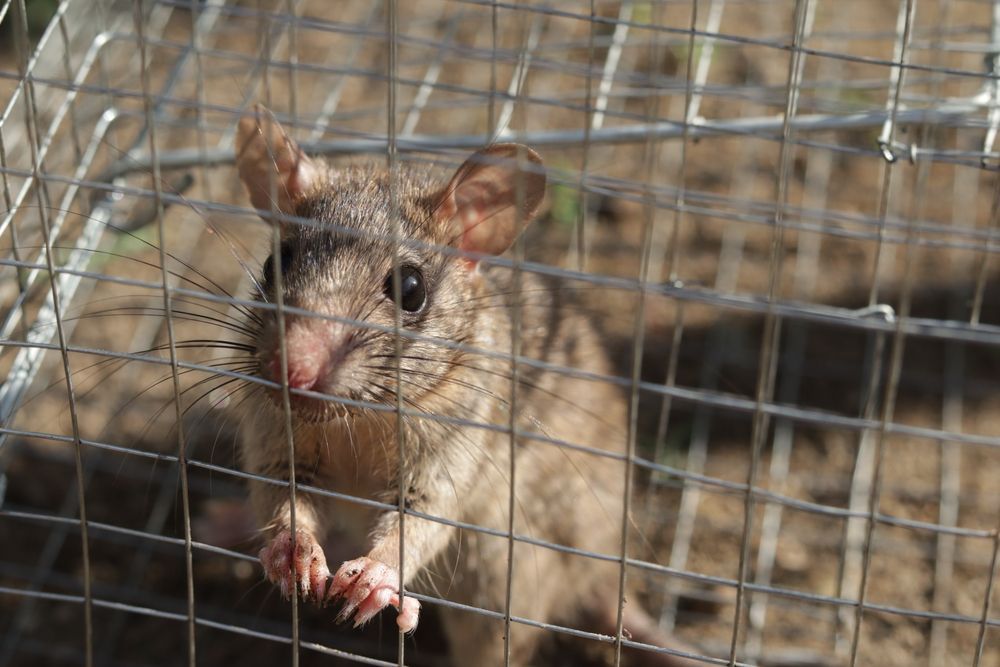
The Difference Between Control and Removal
Rodent control focuses on reducing populations and preventing re-entry through exclusion work, while removal specifically targets extracting rodents already nesting inside walls, attics, or crawl spaces. Control programs include ongoing monitoring that detects new activity before infestations rebuild, using inspection schedules based on property risk factors and previous infestation severity. Exclusion seals foundation cracks wider than one-quarter inch, installs mesh over vents and utility openings, and addresses gaps where siding meets rooflines—any opening large enough for a rodent to squeeze through.
Effective control becomes visible when droppings stop accumulating in cabinets and storage areas, gnaw marks on food packaging cease appearing, and scratching sounds inside walls disappear as nesting sites are vacated. Properties with proper exclusion see longer intervals between service needs compared to those relying solely on trapping without sealing entry points.
Control success depends on eliminating food access alongside population reduction—unsecured garbage, pet food left out overnight, or birdseed spills provide enough calories to sustain rodent colonies even when structural entry points are sealed. Inspection reports identify attractants alongside structural vulnerabilities, giving property owners a complete picture of what's supporting the infestation.
Questions Before Starting Your Project
Rodent control raises questions about treatment methods, exclusion effectiveness, and how Louisiana's climate affects rodent behavior patterns.
What entry points do rodents commonly use in Acadiana buildings?
Foundation weep holes, gaps around utility pipes, damaged roof vents, and spaces where siding has separated from framing all provide access, with rats capable of squeezing through openings as small as half an inch.
How does rodent exclusion differ from trapping alone?
Exclusion seals structural vulnerabilities permanently, preventing new rodents from entering after current populations are removed, while trapping without exclusion leads to recurring infestations as new individuals move into vacated territory.
Why do rodents remain active year-round in Louisiana?
Warm winters eliminate the seasonal die-off that limits rodent populations in colder climates, allowing breeding to continue without interruption and supporting larger colonies that require more aggressive control measures.
What signs indicate a rodent infestation is active versus old?
Fresh droppings appear moist and dark rather than dry and gray, gnaw marks show light-colored wood rather than weathered edges, and grease trails along baseboards look oily rather than dusty.
How many service visits does rodent control typically require?
Initial control and exclusion may take one to three visits depending on infestation severity and building complexity, with follow-up monitoring scheduled monthly or quarterly based on re-infestation risk factors.
Sugarland Exterminating applies rodent control and exclusion expertise developed over five decades of service across Acadiana, using safe and quality-controlled measures tailored to each property's specific conditions. Schedule a consultation to assess your building's current rodent activity and exclusion needs.