
Nests Cleared From Structural Voids
Rodent Removal in New Iberia and the Acadiana area for buildings where rats or mice have established breeding colonies inside walls, attics, or crawl spaces
Scratching sounds inside walls at night, droppings accumulating in cabinets despite cleaning, and chewed insulation in attics all indicate rodents have moved beyond occasional visits to establish nesting sites inside the building envelope. Sugarland Exterminating removes active rodent infestations from homes and businesses across New Iberia and surrounding Acadiana areas, combining extraction of current populations with exclusion work that prevents immediate re-entry. Warm Louisiana winters allow year-round rodent activity without the seasonal population decline that occurs in colder climates, and structural vulnerabilities in older buildings—foundation cracks, deteriorated vent screens, gaps around utility penetrations—enable rodents to spread from initial entry points into multiple rooms or floors.
Removal targets active populations using trapping methods positioned near nesting sites and along travel routes identified during inspection. Exclusion seals entry points in foundations, walls, and utility penetrations after populations are reduced, preventing new rodents from colonizing the same spaces immediately after removal is complete.
Arrange a property inspection to map infestation scope and identify the structural openings that enabled rodents to establish nests inside building cavities.
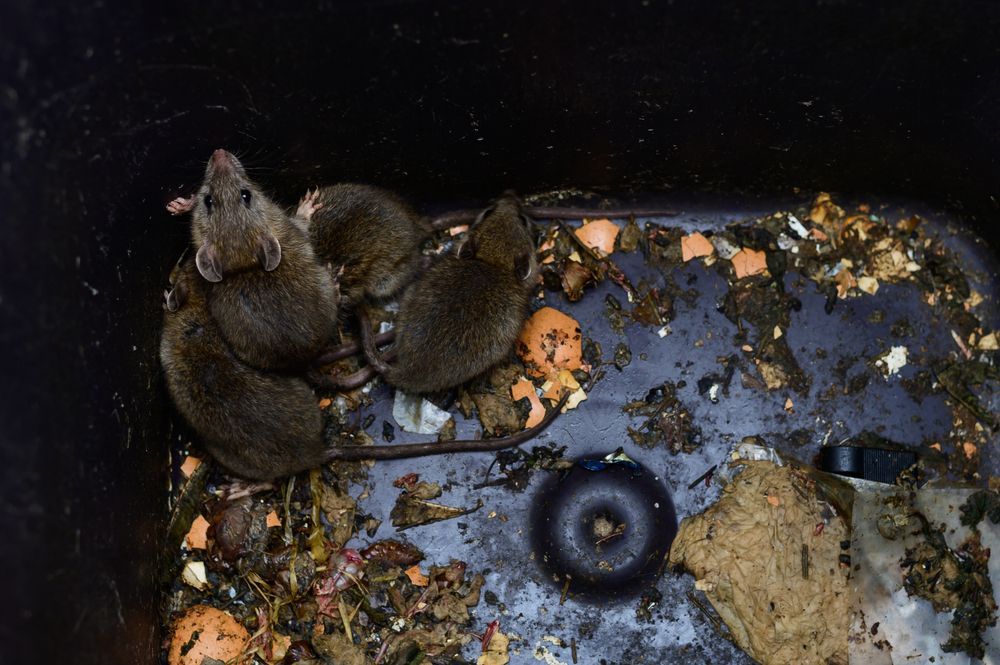
What Changes After Rodent Removal Completes
Removal service begins with inspection that maps where rodents are nesting, what they're eating, and which routes they use to move between floors or rooms. Traps are placed strategically rather than scattered randomly, focusing effort where rodent activity is concentrated based on droppings, gnaw marks, and grease trails along walls. Exclusion work follows population reduction, sealing gaps in foundation perimeters, installing mesh over vents and crawl space openings, and addressing roof-edge vulnerabilities where rodents climb utility lines to access attics.
Once removal and exclusion are finished, you'll notice droppings no longer appear in previously affected areas, the scratching and rustling sounds inside walls stop completely, and food packaging in pantries remains intact without new gnaw marks. Buildings with comprehensive exclusion stay rodent-free significantly longer than those where removal occurred without sealing entry points, since vacant nesting sites quickly attract new rodents if access remains open.
Removal scope varies depending on whether infestation is localized to one room or distributed across multiple building sections, with larger infestations requiring more traps and longer monitoring periods to confirm all individuals have been extracted. Sanitation addresses contaminated insulation or nesting material in attics and wall voids, reducing odor and health risks from accumulated droppings and urine.
Common Questions About This Service
Rodent removal raises practical questions about timelines, exclusion effectiveness, and what property owners should expect during and after service.
How long does rodent removal typically take?
Initial population reduction may require one to two weeks depending on infestation size, with exclusion work completed afterward to prevent re-entry, and follow-up monitoring scheduled to confirm removal succeeded.
What exclusion techniques prevent rodents from returning?
Sealing foundation cracks and gaps around utility pipes, installing heavy-gauge mesh over vents and openings, and addressing roof vulnerabilities all eliminate access routes that rodents use to enter buildings from exterior environments.
Why do older buildings in Acadiana experience more rodent problems?
Settling foundations create new cracks, deteriorating materials leave gaps around windows and doors, and outdated construction standards often lack the tight seals that modern building codes require for pest resistance.
What preparation helps rodent removal work more effectively?
Clear storage areas so traps can be positioned optimally, secure food in sealed containers to eliminate attractants, and identify specific rooms or zones where rodent activity is heaviest so removal efforts can be concentrated there first.
How does rodent removal differ from ongoing control programs?
Removal focuses on extracting established populations and sealing entry points during a defined service period, while control involves recurring monitoring and maintenance to detect and address new activity before infestations rebuild.
Sugarland Exterminating provides dedicated rodent removal and exclusion services backed by decades of experience serving properties throughout Acadiana. Contact the team to schedule a removal assessment based on your building's current infestation severity and structural conditions.