
Breeding Sites That Persist Year-Round
Mosquito Control in New Iberia and the Acadiana Region for standing water, marshes, and ditches supporting persistent breeding
Humid subtropical climate and proximity to swamps create persistent mosquito breeding in standing water, marshes, and drainage ditches throughout Southwest Louisiana. Standing water in gutters, flower pots, tire ruts, and low spots remains present after rainfall, and mosquito larvae mature within days under warm temperatures common in New Iberia and the Acadiana area. Sugarland Exterminating provides targeted mosquito control across Acadiana using an IPM-based approach that addresses breeding sites and adult populations, with treatment duration and re-treatment intervals tied to local water conditions and temperature cycles that affect reproduction rates.
Mosquito control targets breeding sites where larvae develop and adult resting areas where mosquitoes shelter during daylight hours. Treatment addresses standing water that inspection identifies on the property, and application to vegetation and shaded areas reduces adult populations that feed at dawn and dusk. Water conditions and temperature cycles in the Acadiana region determine how quickly larvae mature, which affects re-treatment timing.
Schedule a property evaluation to identify breeding sites and determine treatment intervals based on current water conditions.
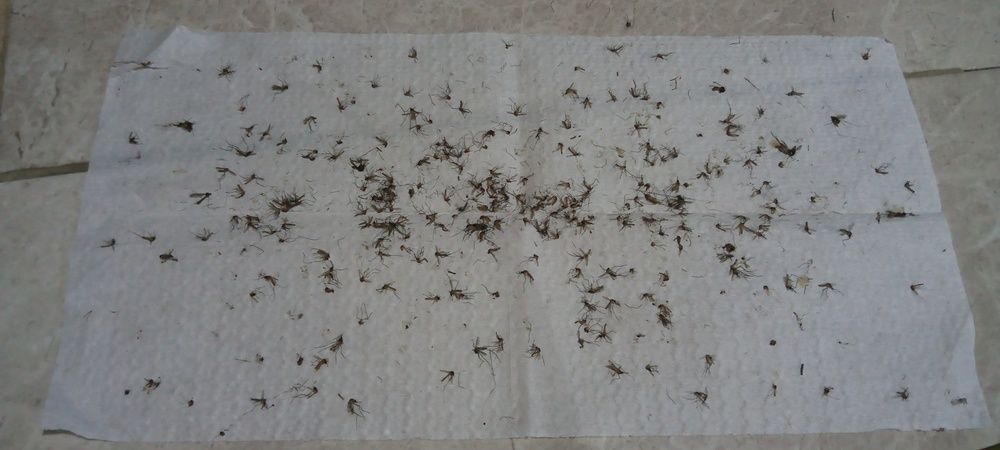
Why Targeted Treatment Works for Breeding Sites
Effective mosquito control eliminates larvae before they mature into biting adults, because treating breeding sites prevents population growth at the source. Sugarland Exterminating applies treatment to standing water and vegetation where larvae and adults concentrate, using methods that account for property size and proximity to marshes or ditches that serve as external breeding sources. Re-treatment intervals prevent new generations from maturing between applications, especially during peak breeding months.
After treatment, you notice fewer mosquitoes during outdoor activities at dawn and dusk, and biting activity decreases around patios, yards, and entry areas. Adult populations decline as breeding sites are treated and larvae are eliminated before maturation. Properties near marshes or wooded areas require more frequent treatment because external populations continuously migrate onto treated properties, and re-treatment maintains protection as new mosquitoes arrive.
Treatment includes eliminating standing water sources that property owners can control, such as clogged gutters, low drainage areas, and containers that collect rainwater. Safe application methods protect residential and commercial properties where children, pets, and landscaping are present, and the treatment schedule adjusts to seasonal changes in rainfall and temperature that affect breeding rates.
Questions Before Starting Your Project
Mosquito control addresses breeding sites and adult populations, and understanding local conditions and treatment timing helps property owners maintain protection and reduce biting activity during peak seasons.
Why does Southwest Louisiana have persistent mosquito problems?
Humid subtropical climate and swamp proximity create constant standing water where mosquito larvae develop year-round. Warm temperatures accelerate larval maturation, allowing multiple generations to emerge each month.
What does IPM-based mosquito control involve?
Integrated Pest Management targets breeding sites and adult populations using methods matched to property conditions and mosquito species present. Treatment reduces larvae in standing water and adults resting in vegetation, and re-treatment intervals prevent new generations from maturing.
How long does mosquito control treatment last?
Treatment duration depends on rainfall, temperature, and proximity to external breeding sources like marshes or ditches. Re-treatment intervals are scheduled based on local water conditions and the reproductive rate of mosquito species active in New Iberia.
What breeding sites are most common in residential areas?
Clogged gutters, flower pot saucers, tire ruts, and low drainage areas hold standing water where larvae mature within days. Ditches and storm drains near properties serve as continuous breeding sources that require perimeter treatment.
When should mosquito control start in Acadiana?
Year-round warmth supports continuous mosquito activity, but spring through fall brings peak breeding as rainfall creates additional standing water. Starting treatment before peak season reduces populations before biting activity intensifies.
Sugarland Exterminating provides mosquito control across New Iberia Acadiana area neighborhoods with over 50 years of family-owned expertise and the Acadiana Pest Control Association, Louisiana Pest Control Association, and National Pest Control Association membership. Request a property assessment to identify breeding sites and establish a treatment schedule based on local water conditions and seasonal patterns.